
From early planning artifacts to finished learning experiences, here’s a glimpse into the kind of work iNStep creates for the organizations we partner with.

Our Work
Our case studies below go beyond final deliverables to explore our decisions, collaboration, and problem-solving behind each project.
Work Samples

Sales Profiling Practice
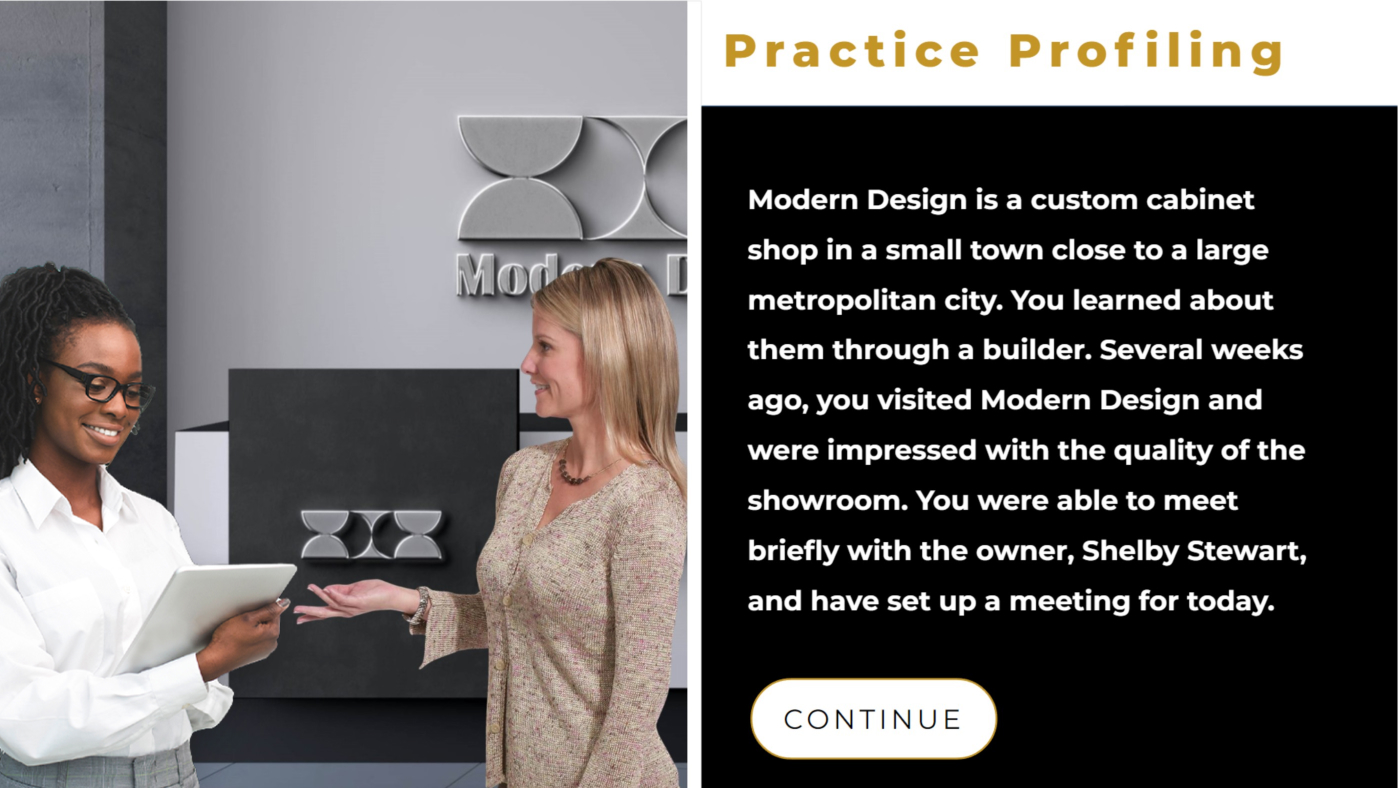
iNStep built this roleplay scenario to set up a realistic sales conversation, giving learners the customer's business background and history with the company before they begin practicing discovery questions. The exercise builds the skill of profiling a customer's needs early in a conversation, before recommending anything.
Scoping a Training Need
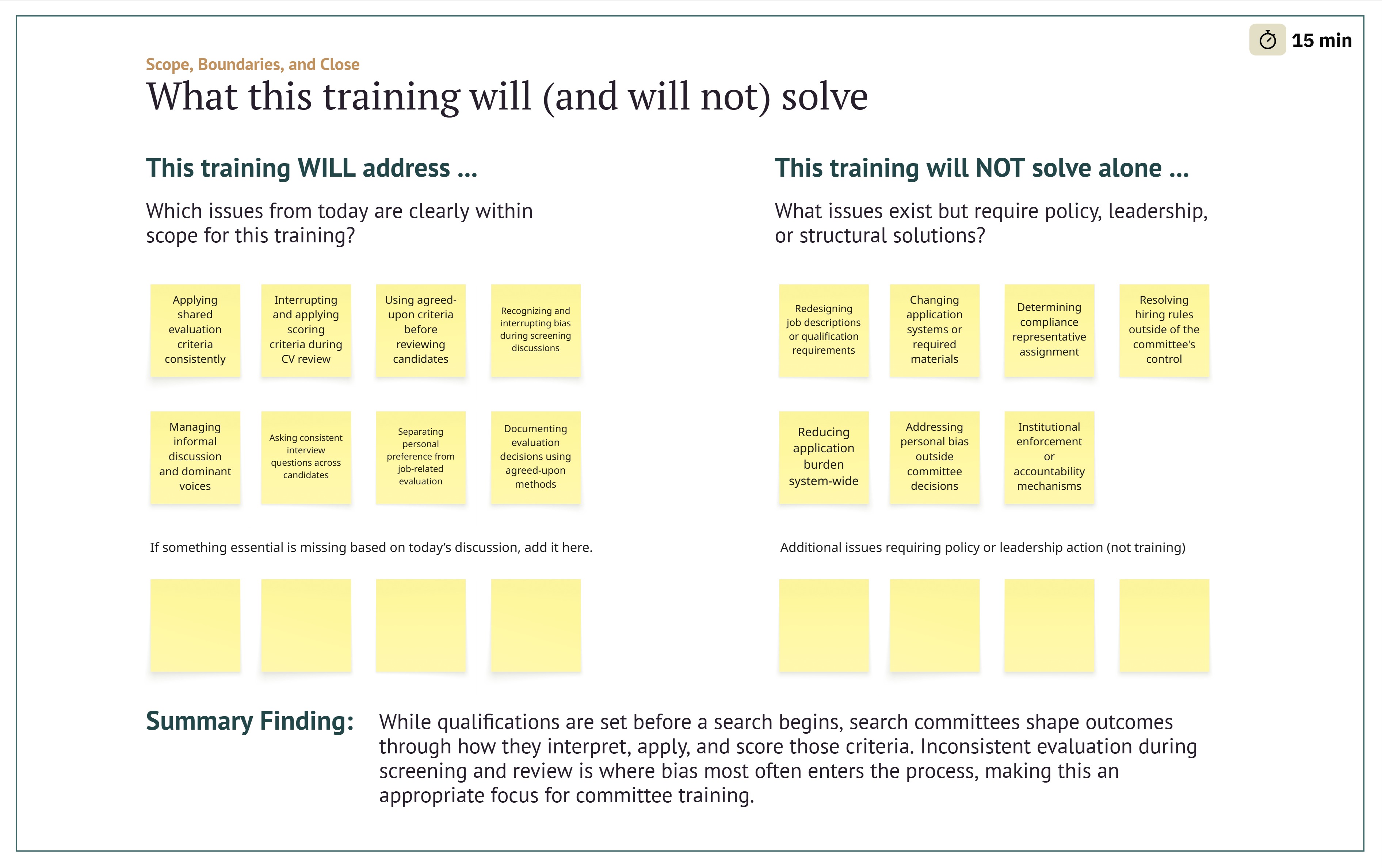
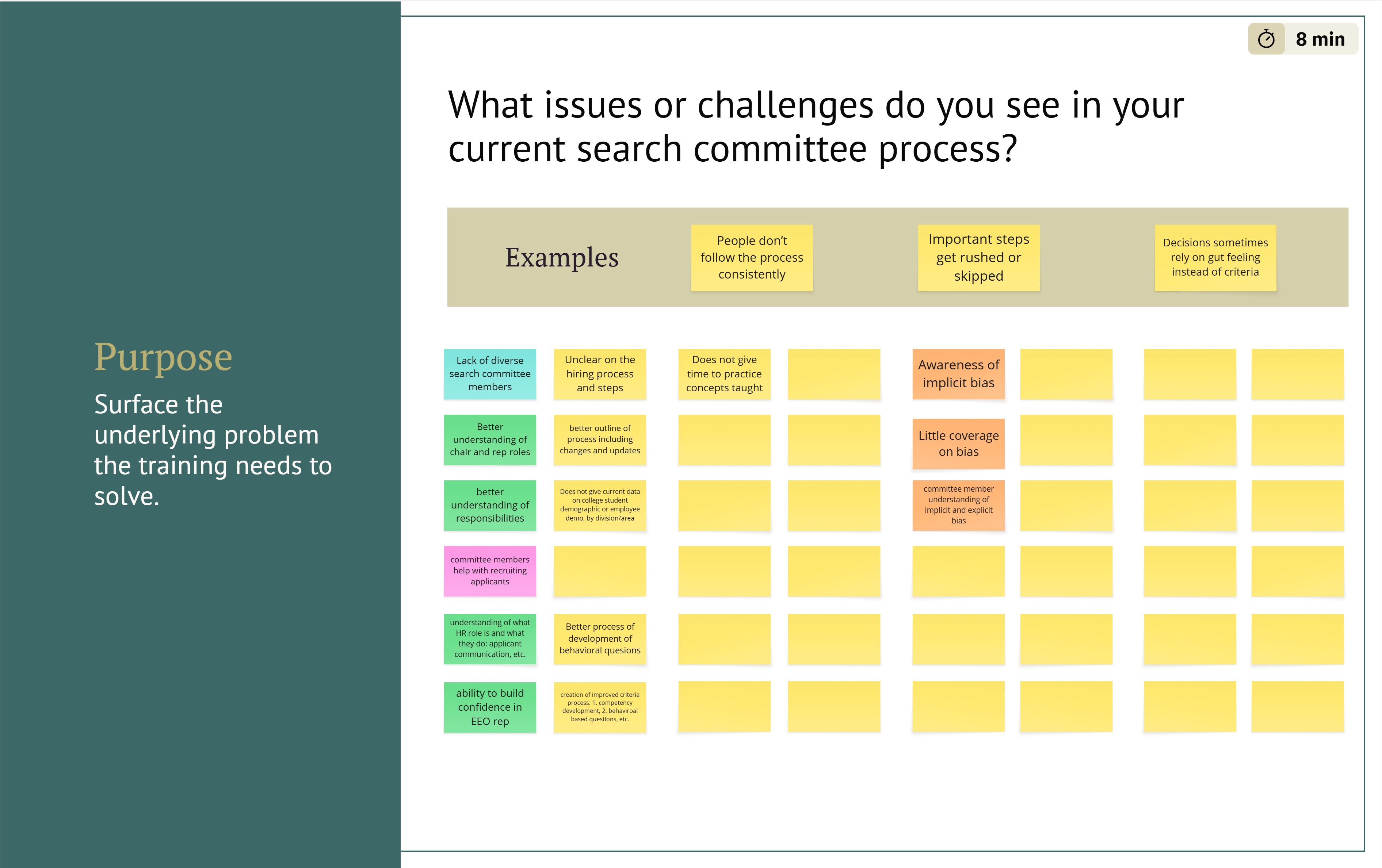
A screen from a discovery workshop where iNStep brought the project sponsor, stakeholders, and project team together to build a shared understanding of the problem before deciding what training should address. We captured issues in participants' own words to create an accurate record for future reference. Giving our clients this dedicated time together often reshapes the training itself and tends to build the kind of buy-in a project needs from its sponsor and champions.

Anatomy of a Business Email Scam
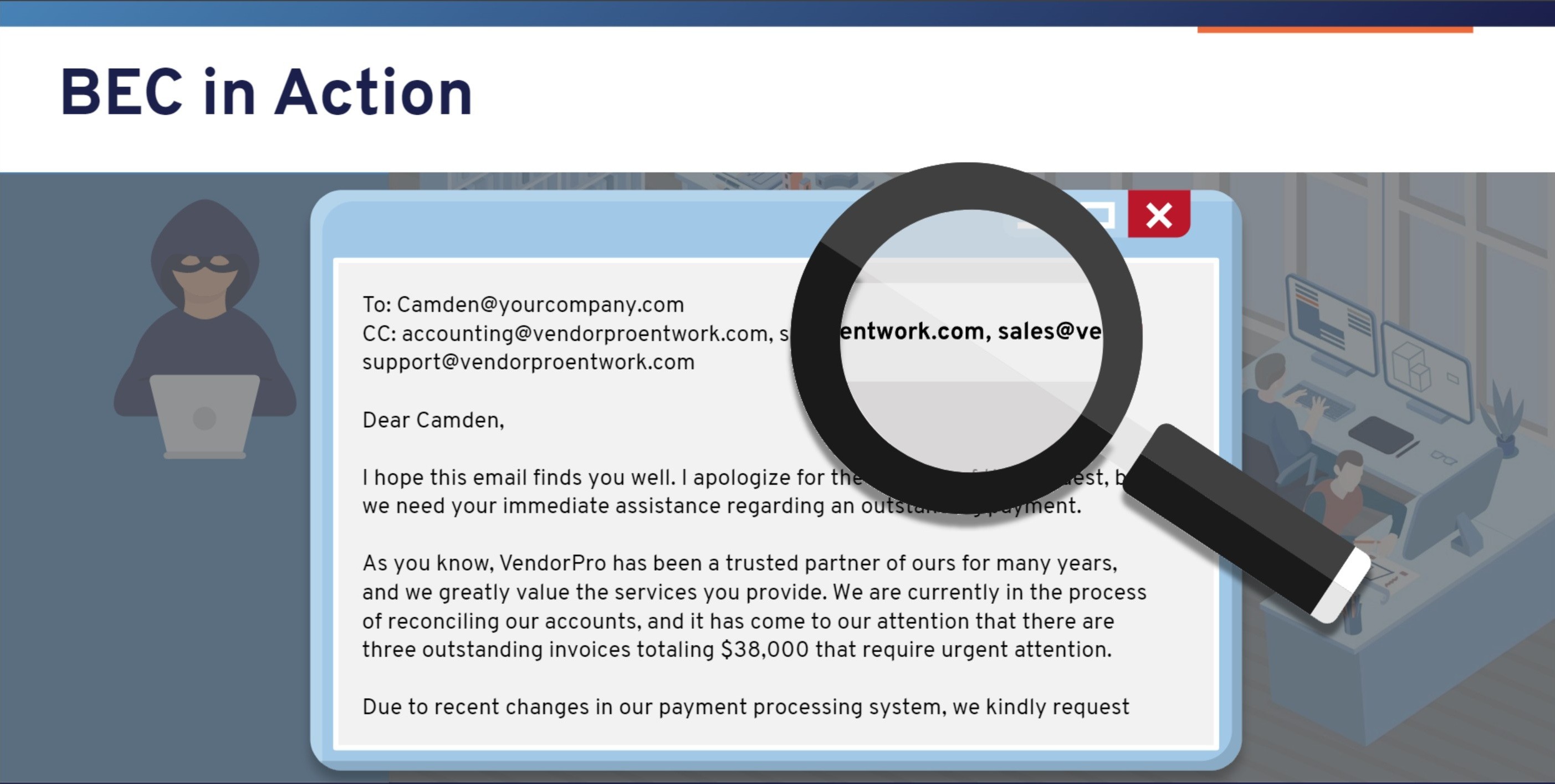
iNStep built this scenario to walk learners through a business email compromise attempt, prompting them to examine sender addresses, urgency cues, and other warning signs hidden in a convincing message. It builds the habit of pausing to verify before acting on a request involving money or sensitive data.
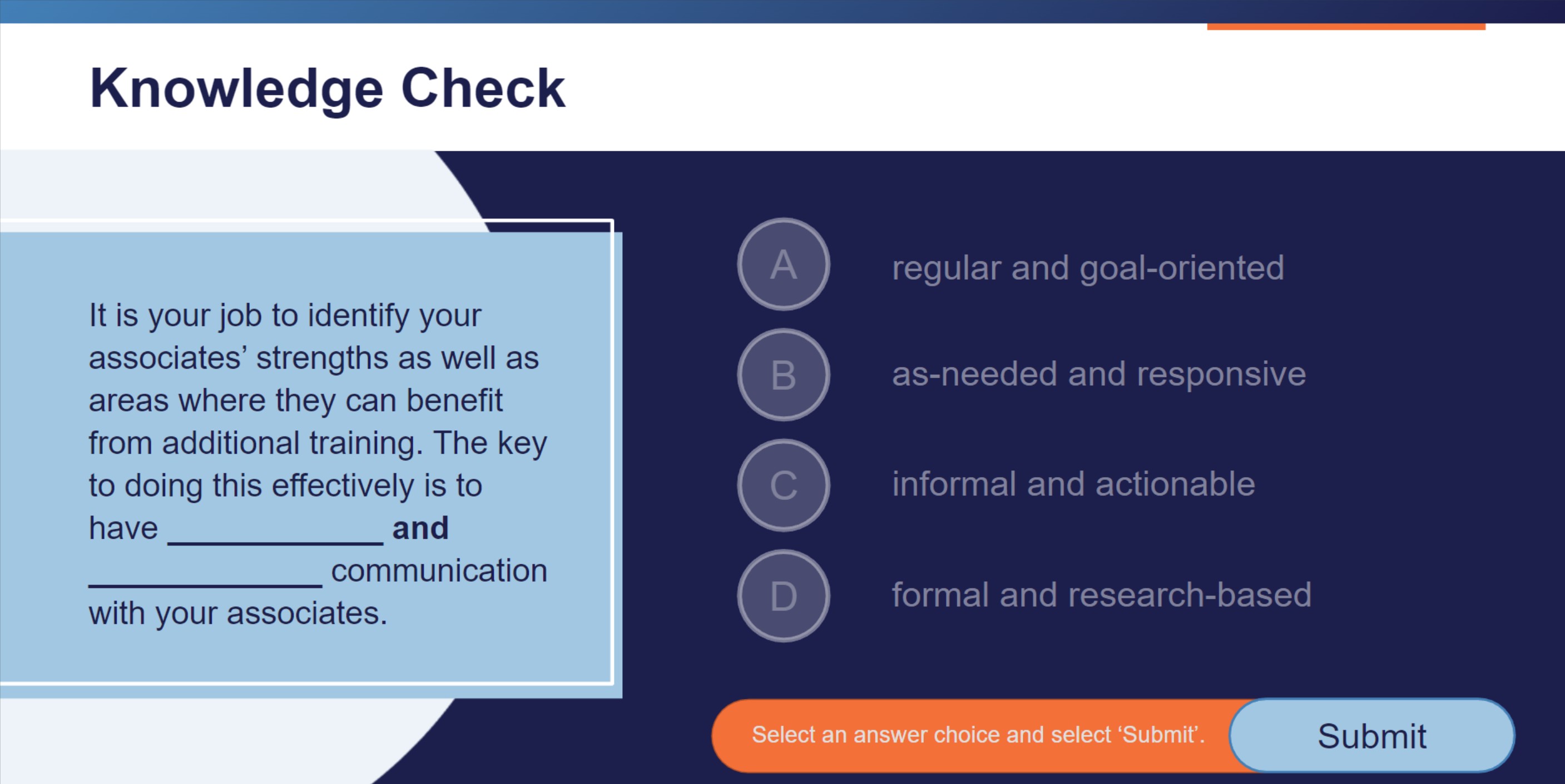
Performance Coaching Assessment
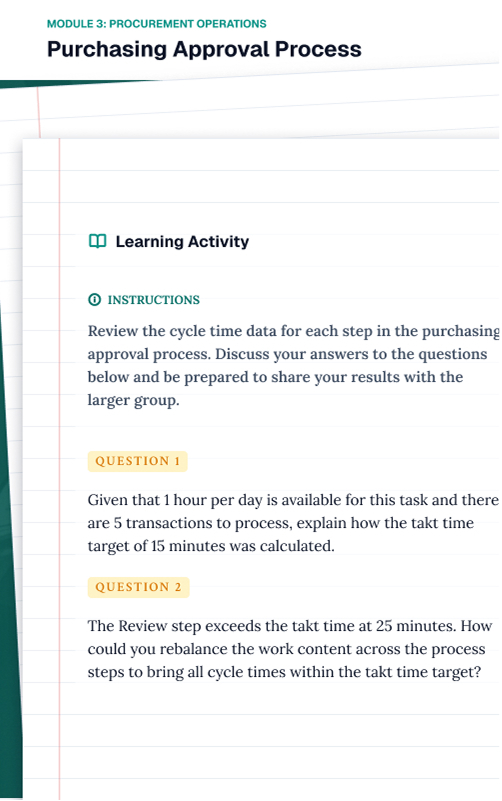
Lean Six Sigma Process Balancing
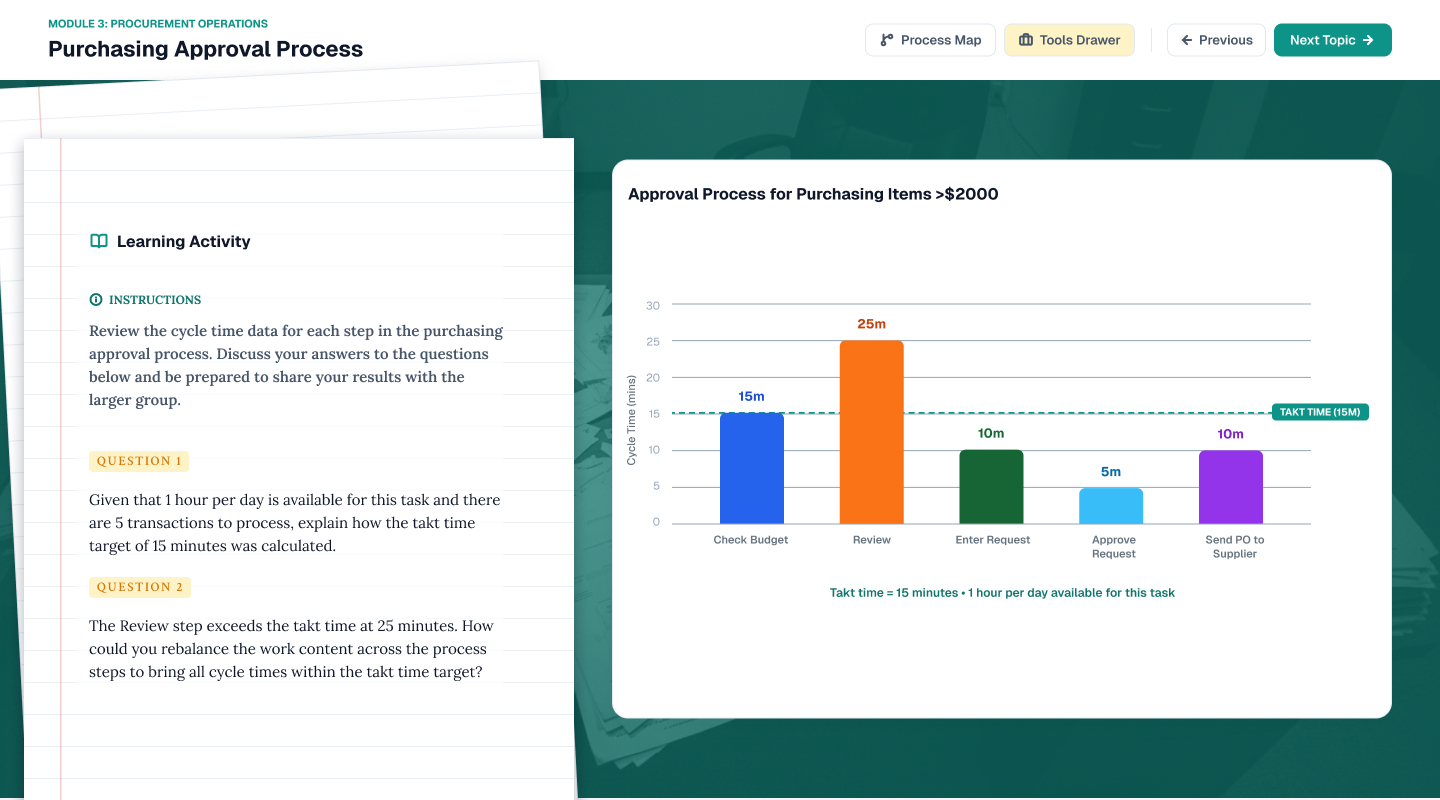
iNStep built this digital workbook for use during a live, flipped classroom session, giving learners practice calculating takt time and spotting where a process falls out of balance. Using real data and discussion questions, the workbook turns class time into a space for applying lean concepts together, with room for a facilitator to guide the group as questions come up.
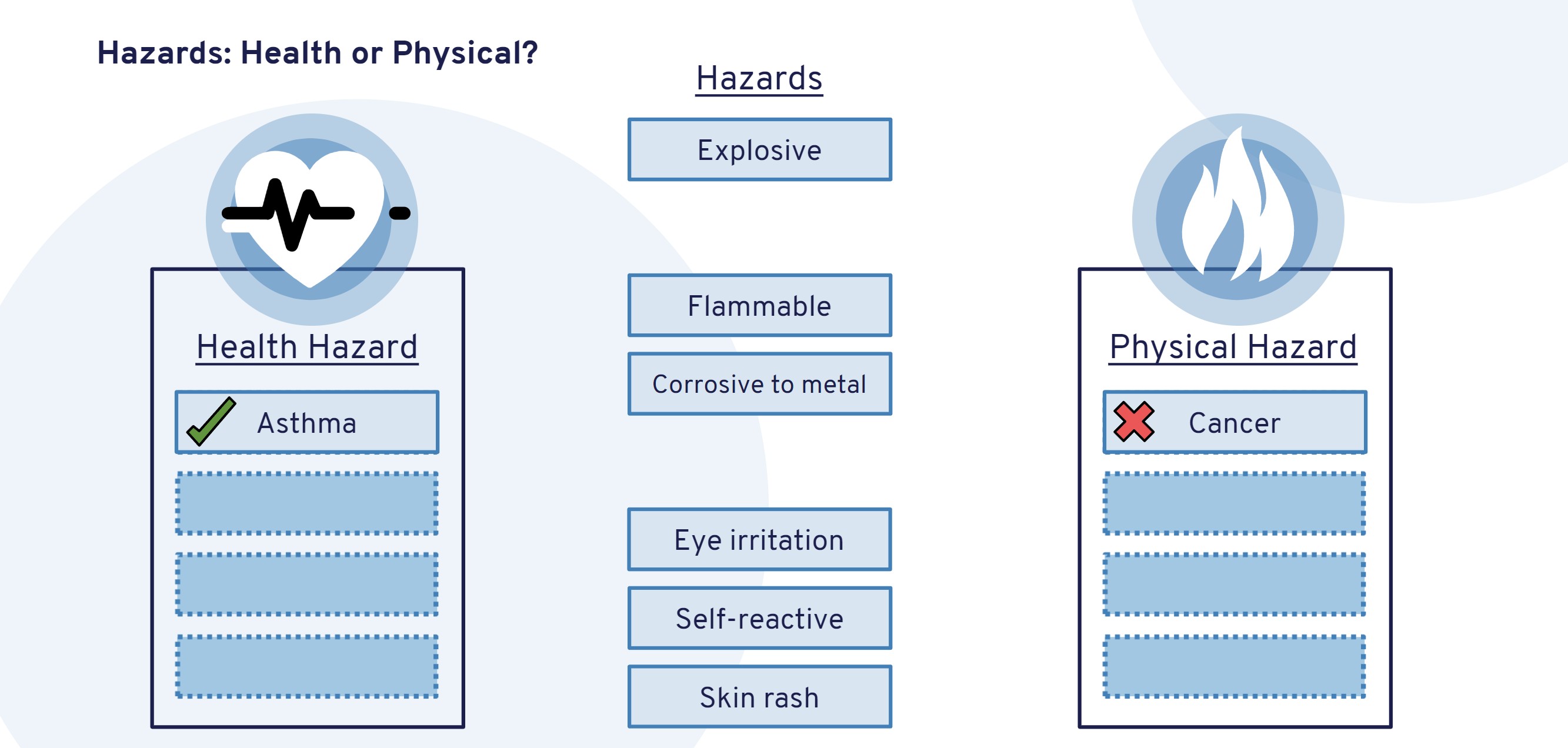
Decoding Chemical Hazards
iNStep built this interactive sorting activity to have learners classify hazard statements, like asthma risk or flammability, as health hazards or physical hazards. This short activity requires learners to pause and critically consider each hazard before moving on. Visual feedback cues guide them through the activity as they work.